It is time to talk about the “social skills” we automatically subject our autistic children to as if they are somehow mandatory. These “social” constructs created by neurodominant/ neuronormative/ neurotypical society that wants everyone to be just like them.
I know that sounds harsh and I meant it to. This has been building for a while in me and I am angry.
As soon as a child is diagnosed as Autistic, suddenly, it triggers all these buzzword therapies. Some are outright abusive such as ABA (Applied Behaviour Analysis), which even the USA military deemed “ineffective”. (see here). Positive Behaviour Support (PBS) is an ABA reward-based therapy wrapped in a modern torturous bow, which sadly is insidious in the UK school system and the NHS. Even the national UK Autism Charity uses and promotes PBS in their educational and residential settings. But even if these known harmful therapies are actively avoided by parents and educators, the compliance training at the root of ABA and PBS still remains in our schools. It is embedded. (This is even more embedded in American schools and the culture of ABA/PBS more widely accepted as “good” if not the main “therapy” for Autistic children. American Parents will here the words ABA/PBS most likely at the same time they learn of their child’s diagnosis).
I can hear some saying, oh no, not in my Autistic child, not their school. No way. Yeah, I am sorry, and I hate to be the bringer of “bad news”. But that is precisely what I am about to do. Because you see, I don’t see it as bad news but as truth and power. The truth of what is happening to our Autistic children and the power to refuse it. As Maya Angelou said, and I paraphrase, “when you know better, you do better”.
So let’s get into it.
Let’s ignore the straight-up schools using ABA/PBS and advertise it, and sadly they seem to be mainly special schools and “autism schools”. (Although obviously personally, I’d like them stripped of all behaviour staff and replaced with Neurodivergent staff, just to be crystal clear). I’m talking about the rest of the schools, the maintained primaries, the academies, the religious primaries, independent primaries, fee paying, all of them. Every single one will have a behaviour plan in place of course, as guidelines for all children. However, it will be applied with focus, strict adherence and little deviation to those they label “special educational needs” and at times very loosely to those neuronormative/neurotypical. These behavioural plans of course are with the neuronormative/neurotypical (NT) goals of what is socially appropriate and acceptable and what is considered rude and unacceptable.
So, let’s start with the general approaches in most primary schools. Again, when I speak about behaviour approaches in primary schools, make no mistake, I mean those that are Neuronormative/Neurotypical based and created and applied to an Autistic or neurodivergent (ND) child and insist on compliance. Which, let’s be brutally honest, 99% of the current schools will have in place. The Autistic child with a different neurotype means they feel, perceive and think differently from those neuronormative/NT is forced to comply with the dominant neurotypes’ ideals and goals of what is “socially” appropriate and acceptable without any respect or consideration given to that Autistic/ND child’s different neurotype or culture. It assumes the Autistic/ND neurotype is deficient and wrong.
(That is the problem with Autism still being seen/ diagnosed as a “psychiatric condition” in the ICD10 and DSMV that automatically will assume the medical model. But this could be a whole other blog for another time).
When the assumption that and autistic child’s very self is deficient, it automatically others that child. Sensory processing differences already can make the world a truly confusing place. The classroom for an autistic child can and often is a sensory hell, never mind the rest of the school environment. Then they are continually faced with being forced to comply and mask their very essence because of lack of understanding, ableism and this acceptance of the deficit medical model.
Autistic children are assumed by the educational system as a whole to have social emotional communication “difficulties”. It never seem to occur to the powers that be that instead of “difficulties”, autistic children’s social emotional communication is DIFFERENT. When did different assume deficiency? How have we allowed that to be so insidious in our educational system? The system we send our most vulnerable of our society, our children. Difference creates art of all kinds, difference creates innovations, difference is life and yet we squash it in our children.
It also amazes me that the educational system seems to avoid modern child development and research altogether. If it did not, our school system and how we teach children would not be so archaic. Our society happily ignores Autistic researchers and academics, which is very sad because research would change how we educate our Autistic children, especially in terms of what “behaviour approaches” don’t work (hint. dropping all of them in place of Neurodivergent affirmative and led).
There is one piece of research which I personally believe would change the whole idea of Autistic children’s social emotional communication, forcing them to alter their behaviour, mask and comply. I also see how this research could be used to change the whole idea of social skills, social group therapy, etc.. and include NT children in a way that uses the social model, reduces ignorance and ableism and would truly create a more inclusive whole school environment.
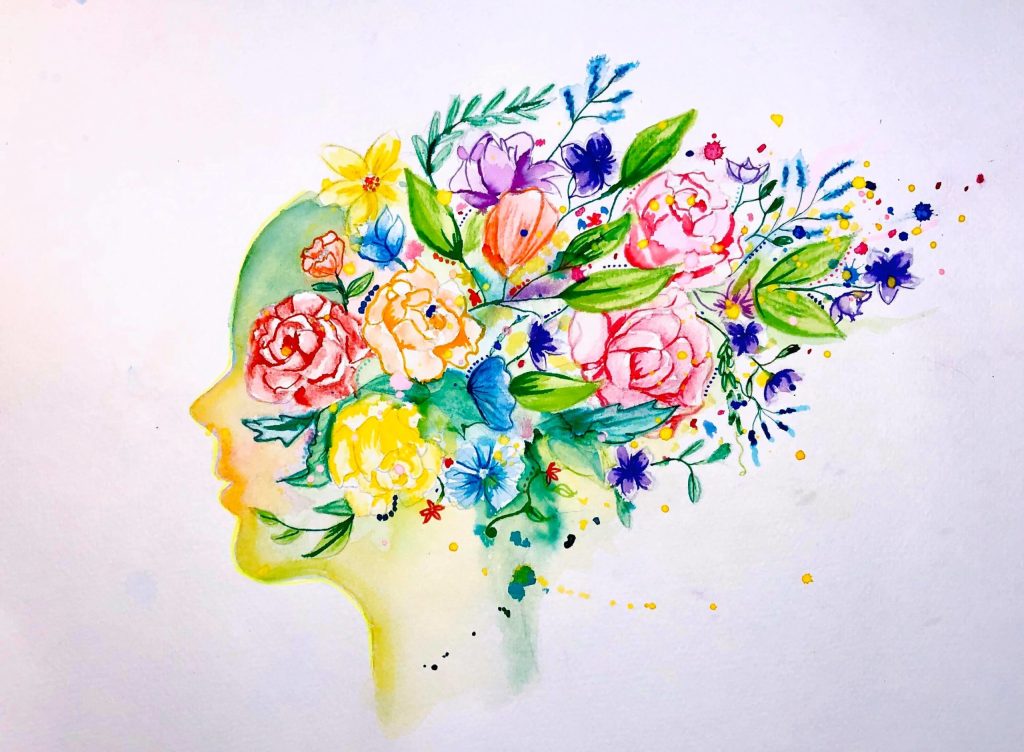
The Double Empathy Problem –Damian Milton (click the name for a PDF link or the photo below for an easier read copy)
( Also see Rachel Cullen -autistic Pragmatic Language Hypothesis – Youtube link here )
Much more research into and about the Double Empathy Problem is really needed. Calling all Autistic researchers out there 🙂
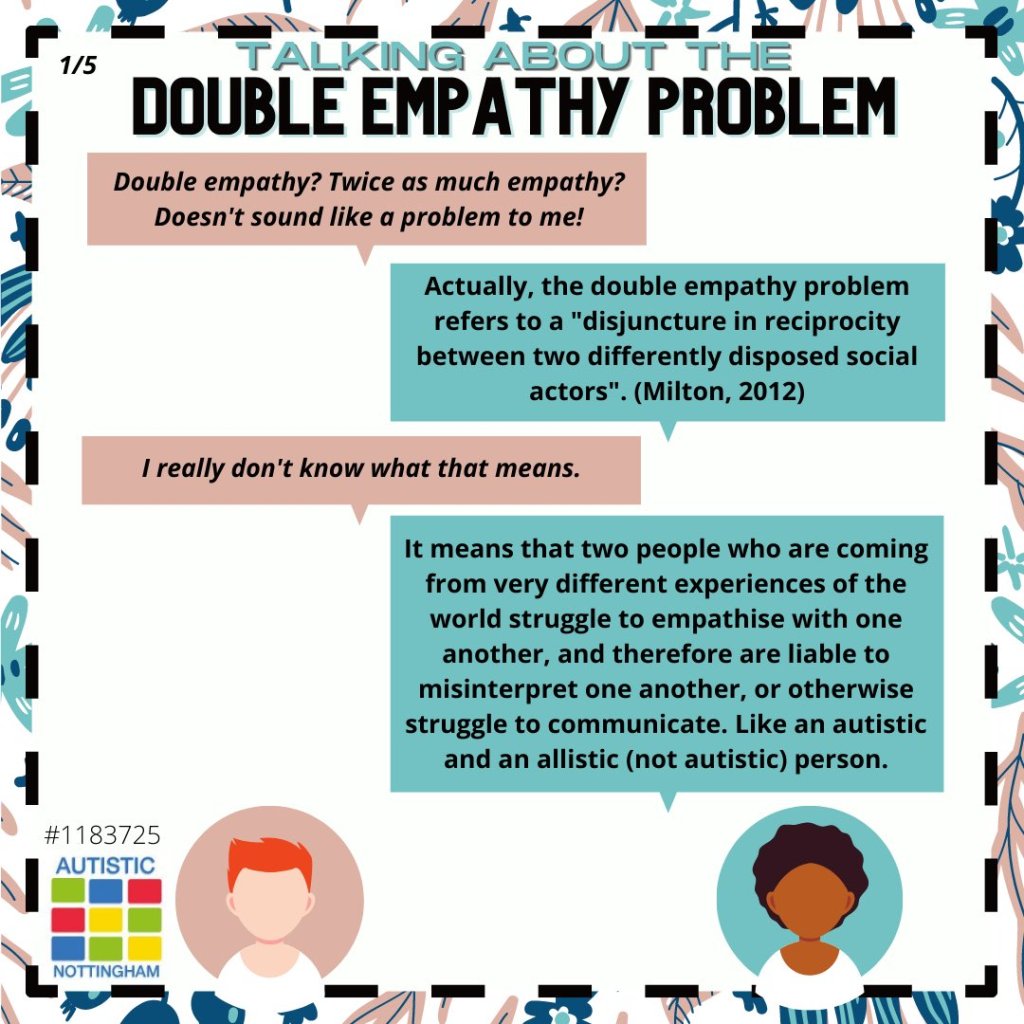
Understanding why there are communication mismatches between Autistic/ND people and Neuronormative/NT people is key to breaking the insidious usage of the medical model throughout our neurodominant society. It shows society that Autistic/ND people are just different. The continual need to make Autistic/ND children comply, conform and mask to match a neurotype not their own seems as cruel as it actually is.
But it also shows a more significant concept. This idea of educating and treating children as if they do not have any individuality. Look at what your primary children come home with every day at school. Sticker charts, behaviour charts, “Star of the Week”, attendance certificates… etc… all with one focus to control behaviour. The idea of intrinsic motivation doesn’t seem to have been even considered by the Department of Education (DoE). While these reward-based “tools” used on all of our young children by the schools may not necessarily “damage” many Neurotypical children, but to Autistic/ Neurodivergent children, they verge on abuse, in my opinion, because when implemented, they are in no way understanding or respecting the autistic experience let alone Autistic culture and Autistic “social, emotional communication” differences without even considering the individual autistic child. They are just another tool to passively “other” the Autistic/ND child leadingagain to masking and more anxiety.
But we go further in a more active way with our Autistic children in education and it is just accepted. As soon as a child is diagnosed in the UK (And the USA) the buzzwords start to fly. Thankfully here in the UK it is uncommon for that first buzzword to be ABA. But we aren’t far off the States, sadly. Our first buzzwords tend to be “early intervention”. Here is also where the experience splits for many parents of newly diagnosed children. At one extreme end, many parents tell stories of being given the diagnosis for their child and just left with a pamphlet or web address to a known national charity. At the other extreme parents are offered a lot of support to better understand their child, although this extreme is much more rare. Sadly it seems very much a postcode lottery more and more lately.
In all cases, regardless of the demographics, the buzzwords include Speech and Language Therapy (SLT), Occupational Therapy (OT) and eventually if not immediately Behavioural Strategies and “Social Skills”. I believe in OT personally, as a parent of now adult Autistic children. I believe if the therapist is ND affirmative (in an ideal world actually ND) they can provide great support in terms of the Autistic child’s sensory processing differences including proprioception, vestibular, and interoception. I personally have no problems with Speech and Language Therapy to support the Autistic child discover and use their communication style honouring the autistic experience. The problem is unfortunately many SLT go beyond that goal and into reward based ABA style compliance training known as Positive Behaviour Support (PBS), and if you do not think PBS is rife in the UK, I’m sorry to inform you that it most certainly is.
See, I know this because over a decade ago now I was a one-to one (1:1) Teaching Assistant (TA) working exclusively with autistic children in a maintained primary and nursery school. I realise now, although it wasn’t called PBS, what was happening in that primary to Autistic children and all “Special Educational Needs and Disabled” (“SEND”) children was exactly that. I was the TA that supported young Autistic children and worked with them on the goals delivered by the SLT that was seeing them based purely on their diagnosis of autism and “early intervention”. I keep reminding myself every time I think of this time of the Maya Angelou quote I will paraphrase- “When you know better, you do better”.
“Do the best you can until you know better. Then when you know better, do better.” — #MayaAngelou
https://twitter.com/drmayaangelou/status/1028663286512930817
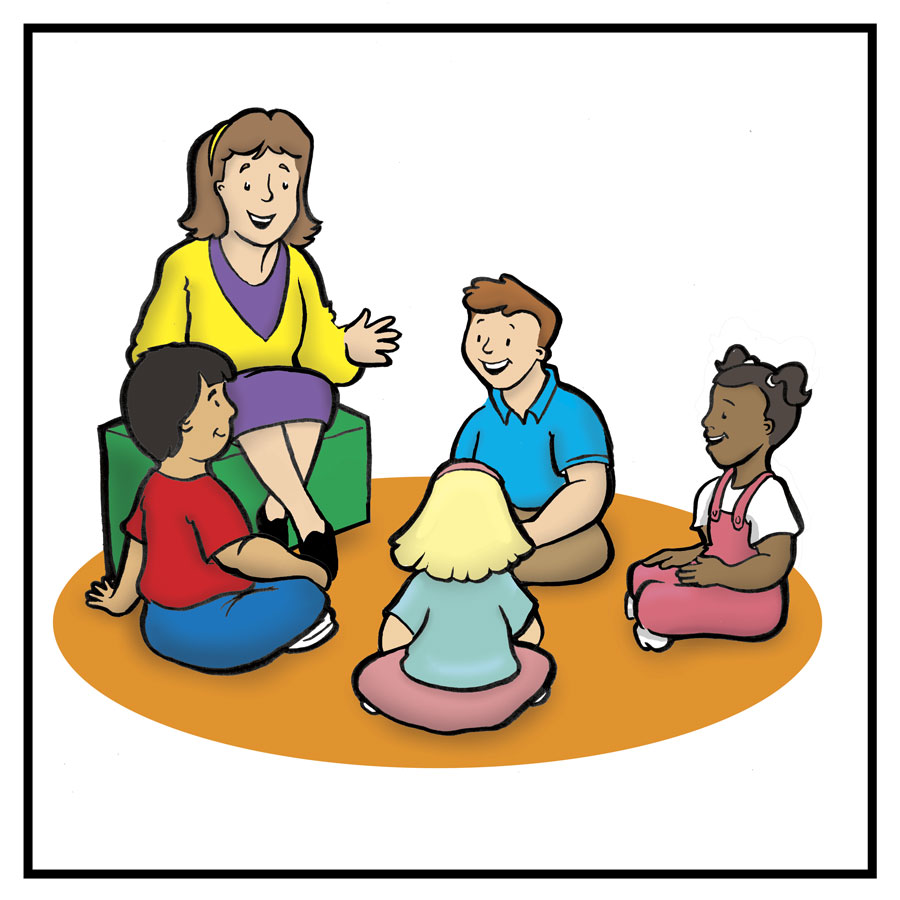
I see vividly now the automatic “othering” as the deficit-based model was just assumed by the various SLTs I worked with. One or two autistic children in a group of children that was neurodominant ” teaching” them that the way their minds worked was fundamentally wrong. The one part of my week that I looked forward to was an arts and crafts group of all ND children I created and led. I see now that I loved it because it was the one space the children could indeed be themselves.
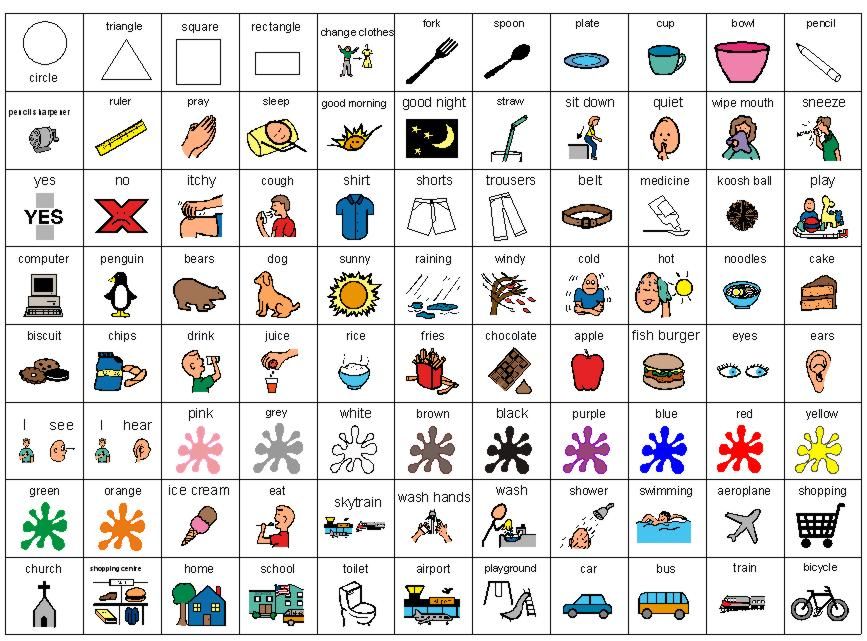
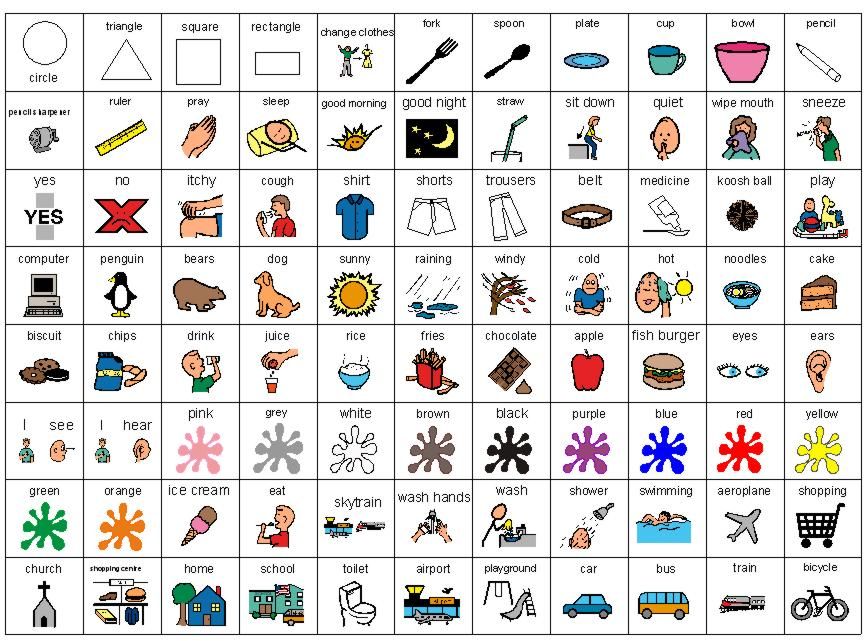
I also need to take a moment to talk about another buzzword that appears often, PECS, the Picture Exchange Communication System. PECS is a communication system meant to support children who do not use mouth words to communicate. Pyramid Educational Consultants trademark, i.e. PECS (see here ). PECS is an ABA tool. There is no way to get around that fact. As it is intended to be taught to the Autistic Child, PECS is completely compliance-based old school ABA. It is not PBS as it is not reward-based. I know this as I was trained in PECS twice. PECS is taught by using the autistic child’s favourite/ wanted object or food. This can be an item they use to self regulate even; in fact, that would be encouraged. You see where I am going, right?
So, the idea to teach the autistic child to use pictures/symbols to communicate is to take that object or food item and almost taunt them with it. If the target object is already in their hands, you convince them to give it to you first. Then, the “teacher” is to show the autistic child the picture/symbol and the item together, saying the words. It is recommended this is done a couple of times before initiating “training”. Then the “teacher” holds onto the object/food item until the autistic child hands them the picture/symbol. It does not matter how upset the child becomes if they plead in their current communication style or try to grab your hand or the item. You, the “teacher”, ignore them and move away if necessary.
That process is done every step of the way until the autistic child can communicate in sentence strips and further. I am sure I do not have to go into the details of just how traumatic this is for an Autistic child. There is no choice in that process. That is not teaching anything but comply to this way of communication. It hammers home to the Autistic child again that they are somehow very wrong and this isn’t even considering the real CPTSD, boundary issues and further risks of abuse compliance training and Autistic child brings. PECS will not allow the idea of Autistic choice in communication, it strips it.
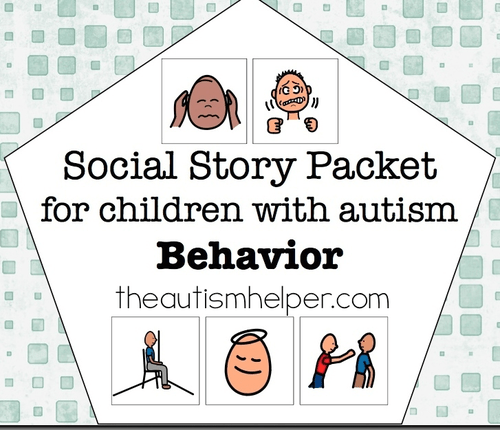
Now let’s address another buzzword that always appears when discussing Autistic children, Social Stories. I was also trained in Social Stories by Carol Gray, so what is happening lately with these stories, which some call Social Stories really bugs me. What many are finding on the internet and downloading and thinking it is ok to give to Autistic children is truly horrid. No “story”, whatever it is called, should be directed at an Autistic child called “quiet hands” (see here) ever. No “story” should ever try to teach an Autistic child to suppress stimming. That is just cruel. Trying to stop an Autistic child from stimming that is not harming themselves, or others (or those that should be private) is cruel. Stims that hurt themselves or others MUST BE Investigated medically and sensory wise immediately. Those stims that should be private need to be respectfully taught how to keep them confidential.
No story, “social story”, or not should be addressing the behaviour of an Autistic child, young person or adult. To use a “story” this way is teaching compliance once again, and by doing so “, other’s” the Autistic child as it is based on the deficit-based medical model. It tells the autistic person that they are somehow wrong and need “fixing”. As per Carol Gray, Social Stories are a particular type of story with a critical formula created by Carol. If they do not maintain this strict criterion, they are picture or symbol stories. They are not Social Stories. If utilising Carol Gray’s Social Stories as they stand, in my opinion they should be used for transitioning only. Such as using Social Stories for transitioning into a new class, a new school, a new house etc as it is explanatory only.
I do believe in Social Stories. However, I think they need to be flipped. Instead of focusing on the Autistic child and trying to change the autistic child ultimately, use them to teach the Autistic child about the Neuronormative/ NT child. For example, ” sometimes neurotypical children expect you to ask them if you can join them to play. But also create social stories for the NT/ neuronormative children that also helps them understand the autistic/ND experience. Changing Social Stories this way respects Autistic experience and culture as well as utilises the understanding of the Double Empathy Problem as well.
Finally, social skills and therapy, including how we teach emotions considering alexithymia, how autistic children, young people, and adults can struggle to describe and explain the emotions they are feeling and sometimes the feelings of others. It really just doesn’t seem to understand, let alone respect autistic experience or culture. Instead, it continues to rely on the deficit-based medical model that leads to generations of our autistic children being continually othered and traumatised.
The reality of Autistic children being hyper empathetic doesn’t even occur to the professionals delivering these neuronormative based therapies, so autistic children are still being said to “lack” empathy. This idea of “lack of empathy” rather than a different perception and emotions leads to these social, emotional communication-based therapies, tools and approaches. But instead of genuinely accepting these differences and supporting autistic children to find autonomy, passion, etc., our education system and society impose their neuronormative ideals.
References:
The Double Empathy Problem https://kar.kent.ac.uk/62639/1/Double%20empathy%20problem.pdf
Rachel Cullen autistic Pragmatic Language Hypothesis on Aucademy
Double Empathy visual via https://twitter.com/laurafmcconnell/status/137801282493759
Social stories for behaviour image link https://www.tes.com/teaching-resource/visual-social-story-packet-for-children-with-autism-behavior-set-11335879
PECS – https://pecs-unitedkingdom.com/pecs/
and example of PECS https://hcbsprovider.com/wp-content/uploads/2019/03/e9a4d815cf4a07bba88eb4f39728c85f.jpg
social stories : It is not a social story checklist – https://carolgraysocialstories.com/wp-content/uploads/2015/09/It-is-NOT-a-Social-Story-if….pdf
Social Stories: What is a Social Story –https://carolgraysocialstories.com/social-stories/what-is-it/
Social Stories: Quiz and Answers- https://carolgraysocialstories.com/wp-content/uploads/2015/09/The-Social-Story-Quiz.pdf https://carolgraysocialstories.com/wp-content/uploads/2015/09/Answers-to-The-Social-Story-Quiz-.pdf
Social Stories: “quiet hands”: https://www.teacherspayteachers.com/Product/Autism-Social-Story-Quiet-Hands-5167434


 Bobbi Elman: NeuroDivergent Autistic Experience Consultancy & Training™